Teaching Philosophy
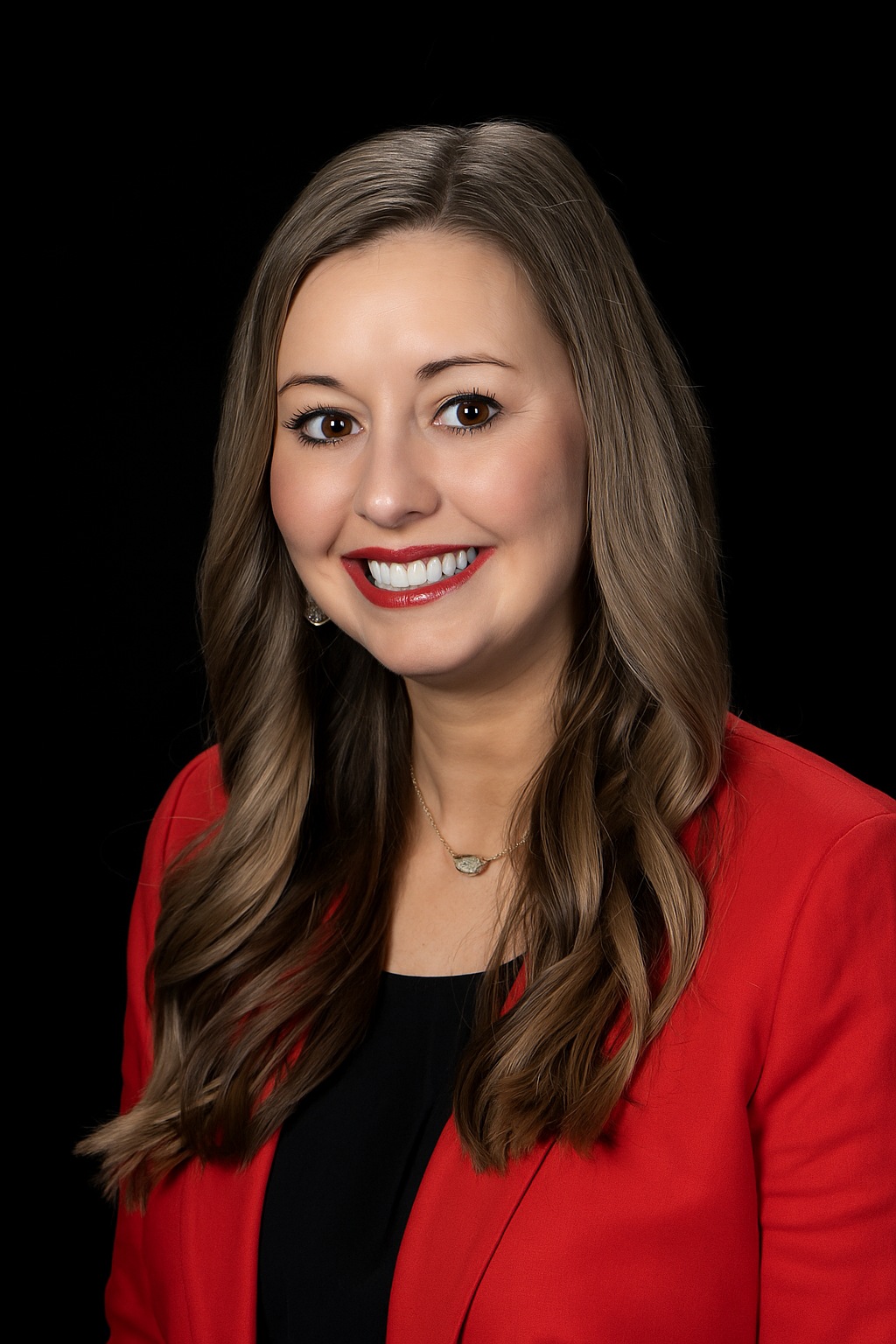
Summer Gibson, Ph.D.
Assistant Professor
Almost every student I teach already works in a school. They come to class after a full day with children, often with their own families waiting, and they are trying to finish a degree while doing a demanding job. I keep that in front of me when I design a course. If something I assign doesn't help them do their work better, it doesn't belong there.
That shapes a lot of small decisions. I answer email quickly, because someone with a question on Sunday night shouldn't wait until Wednesday to keep going. I give feedback that tells students exactly what to change instead of just marking a score. I open modules early for people who want to work ahead, because adults know their own schedules better than I do. When something goes wrong in a student's life, and it does, I would rather find a way forward than hold a due date.
Being flexible about how students get there is not the same as lowering what they have to reach. I have raised the difficulty of my assessments, rewritten exams, and rebuilt discussion assignments so they require applying ideas instead of repeating them. I tell my students we can do hard things, and I mean the we — I will not assign work I am not willing to walk them through. They are going to sit in ARD meetings and make decisions that shape a child's education, sometimes with incomplete information and not enough time. A course that let them coast would leave them unprepared for a room where the stakes are someone's child.
I spent twenty-one years in Texas schools doing that work, and I teach what I wish I had known sooner. My job is to send them back to their districts more capable than they arrived.
That shapes a lot of small decisions. I answer email quickly, because someone with a question on Sunday night shouldn't wait until Wednesday to keep going. I give feedback that tells students exactly what to change instead of just marking a score. I open modules early for people who want to work ahead, because adults know their own schedules better than I do. When something goes wrong in a student's life, and it does, I would rather find a way forward than hold a due date.
Being flexible about how students get there is not the same as lowering what they have to reach. I have raised the difficulty of my assessments, rewritten exams, and rebuilt discussion assignments so they require applying ideas instead of repeating them. I tell my students we can do hard things, and I mean the we — I will not assign work I am not willing to walk them through. They are going to sit in ARD meetings and make decisions that shape a child's education, sometimes with incomplete information and not enough time. A course that let them coast would leave them unprepared for a room where the stakes are someone's child.
I spent twenty-one years in Texas schools doing that work, and I teach what I wish I had known sooner. My job is to send them back to their districts more capable than they arrived.