
21st Century Deaf Education Certification
Degree: Certificate
Major: 21st Century Deaf Education
Hours: 18

21st Century Deaf Education Certification Overview
The 21st Century Deaf Education Certification at Lamar University features a rigorous and comprehensive curriculum that equips graduates with the skills necessary for effective advocacy and culturally responsive teaching in diverse education settings within Deaf education. The curriculum includes foundational topics, classroom applications and Deaf centered ASL-English bilingual educational strategies based on best practices from current research in the Deaf education field. Students enrolled in this program will be eligible for the 21st century certificate upon completion of DSDE coursework and a comprehensive exam via an electronic portfolio.
For Texas residents pursuing a Texas teaching license, you must complete pedagogy courses, which include advanced practicum experience, multicultural education and instructional design courses. Upon completion of the 18 credit hour courses, a one-year internship (paid) or a one semester 490-hour clinical teaching (unpaid) is required for students to gain essential hands-on teaching experience, preparing them for successful careers in Deaf education. Out-of-state residents are eligible for alternative teaching certification routes, enabling them to complete the program online while fulfilling certification requirementsin their home state.
21st Century Deaf Education Courses You May Take
Speech and Audiology: This course reviews basic anatomy and physiology of speech and hearing mechanisms and shows Deaf educators how to work with professionals and parents of deaf and hard of hearing children.
STEM Teaching in Deaf Education: Science, technology, engineering and math in an educational context refers to the concept of teaching content in these areas not in siloed separate classes, but in an integrated, project-based manner, emphasizing student agency and self-directed learning based on the current research.
Deaf Students with Disabilities: Prevalence, demographics and etiologies of hearing disorders with other disabilities (blindness, motor, emotional, mental or orthopedic). Includes methods, curricula and materials.
Classroom Applications of Linguistics in ASL: This course will provide an advanced study of the research regarding the major linguistic structures of American Sign Language.
Behavioral Management: This course presents best practice in classroom behavioral management including: organizing time, materials and classroom space to strategies for managing individual and large group student behaviors, transitions, lab activities and other arrangements for classrooms in Deaf education. This course will prepare teachers to feel confident, know and fulfill their professional responsibilities to create an effective and well managed educational environment.
Career Paths for 21st Century Deaf Education
Graduates of this program are designed to effectively serve the 40 to 50% of deaf and hard of hearing children who are also diagnosed with an additional disability with the help of modern-day technology.
Primary Careers
Educator of the Deaf, curriculum developer, educational interpreter
- Education
- Policy
- Research
- Curriculum
- Leadership
- Training
- School and universities
- Curriculum publishers
- Government agencies
- Non-profit organizations
- Research institutions and companies
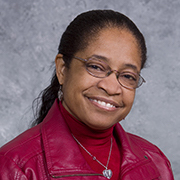 Zanthia Smith
 Dr. M. Diane Clark
 Joseph Mann III