

Internet of Things
What is the IoT?
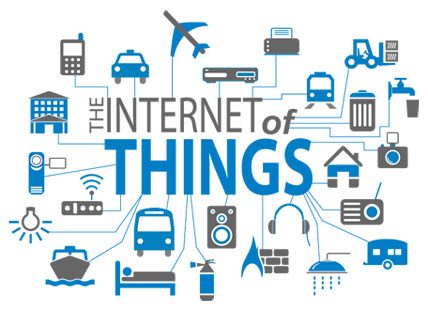
The Internet of Things (IoT) is the internetworking of physical devices, vehicles ("connected devices" and "smart devices"), buildings, and other items - "things" embedded with electronics, software, and network connectivity that enable these objects to collect and exchange data.
- IoT developers spend little time securing all these devices.
- The consequences of a security breach are much higher in systems that affect public safety and human life, medical devices, and critical infrastructure.
- A hacker can breach your network not just to grab data, but to control door locks , manipulate traffic signals, or change the settings on your automobile.
- Anything connected to the Internet is hackable.
The small size and limited processing power of many connected devices could inhibit encryption and other security measures. Some devices are low cost and essentially disposable. If a vulnerability is discovered, it may be difficult to patch or update the software or even get news to consumers of a fix.
Take advantage of what experts have learned.
Incorporate the IoT into your security practices and work with vendors to evaluate their security features. Use encryption to safeguard vital data.
Authentication is key in the IoT.
Always remember to change default passwords!
A breach by an unauthorized user can expose sensitive data not only on the device, but also on the networks to which it is connected. Consider that a substantial risk may require two-factor authentication.
Consider how to limit permissions.
Experts call this the "principle of least privilege." You should manage user roles and permissions to limit access to the level that will allow for normal functioning.
