Maintaining High Performing Schools Amidst Demographic Shifts
COMMENTARY - May 06, 2026

Photo by Stock Adobe.com
Education and school concept little student girl studying at school
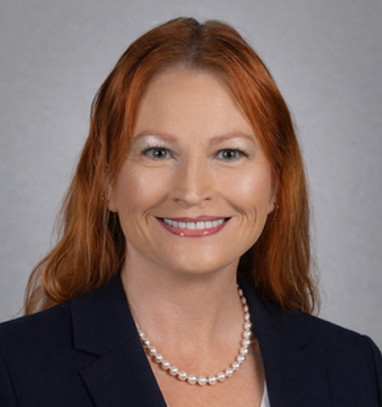 By Misty Almasi Resiliency Fellow, Lamar University Center for Resiliency
This commentary was originally published by The CfR Research and Commentary on April 26, 2026
his study focused on teachers’ perceptions of their role in maintaining high performance as student demographics shift from a homogeneous population of affluent students, with English as their primary language, to a more racially diverse population, including more students from low socio-economic status and those whose primary language is not English. Our nation is scrambling to identify how to improve student success with an ever-changing student population. Using a qualitative research design, teachers discussed their perceptions of how their roles have changed and how they are able to achieve student success with a changing demographic of students. The goal was to investigate teachers’ experiences and identify what supports are needed and what is working that can be applied in other schools. The findings aim to inform school leaders and policymakers about strategies for fostering resilience, strengthening professional capacity, and supporting high-performing schools amid demographic change. It includes recommendations for staff development in areas such as teaching students from poverty, supporting English language learners, incorporating differentiation, assisting with understanding student misbehavior, and identifying available supports and tools for ongoing growth monitoring.
In the United States, federal laws have guided accountability measures in education, requiring standardized testing as a critical component of defining successful schools. Accountability programs are designed to ensure that, across the nation, students achieve a baseline performance in reading and math, despite students’ diverse backgrounds. No Child Left Behind (NCLB) framed education policy at both the Federal and State levels from 2002 until 2016. It was replaced by the Every Student Succeeds Act (ESSA), which updated the Elementary and Secondary Education Act (ESEA), consequently forcing states into expanding standardized testing and linking compliance to federal funding. As a result of these laws, accountability is focused on students’ test scores, which are organized and reported based on ethnic group, limited English Proficiency status, socioeconomic status, and whether the student had special education needs, ultimately comparing distinct groupings of student performance. Accountability programs outline qualifications for highly qualified teachers, such as requiring certifications based on specific undergraduate coursework or previous teaching experiences.
These programs have exerted the greatest influence on schools and students who are struggling, because these systems are designed to identify low performance and trigger corrective measures, such as targeted interventions, additional funding, and state oversight. Schools that fail to meet benchmarks have faced sanctions or received improvement plans, creating strong incentives for change, whereas high-performing schools already meet or exceed standards and therefore experience minimal pressure or benefit from these programs. Recent equity analyses have further argued that high-stakes testing disproportionately affects historically underserved populations, reinforcing systemic inequities while offering little added value for schools that consistently perform well. Changes brought about by increasing cultural and linguistic diversity have been happening at most schools across the nation. Teachers are often uncertain about the pace and implications of demographic changes for classroom practices and student achievement, even when they themselves are part of an increasingly diverse workforce.They are concerned that the changing class compositions and increasingly broad achievement gaps mean they are not prepared to make instructional changes and provide a conducive and equitable classroom for all students.
Southeast Texas continues to see significant growth in total population, especially in suburban areas, with Hispanic minorities and families from lower socioeconomic groups. The region is also working with new voucher laws in Texas, which divert funds from public education to private schools, increasing the burden on local school districts to educate their students with the remaining funds. In some situations, this may impact the region because many of the private schools, unlike public schools, have specific criteria such as test scores, behavior standards, or a limit on the accommodations they will provide. Private schools often do not include transportation or meals, and most cost more than the vouchers provide. The practical impact is that students with academic, medical, or behavioral challenges will remain in the public schools along with those whose parents do not have the means to take advantage of it. vouchers, while total funding for public education continues to go down. To successfully educate all students, it is essential that schools provide teachers with the appropriate staff development and support to ensure that all students can meet grade-level standards.
More About
Misty Almasi is pursuing her Doctor of Education in Technology and Innovation from Lamar University School of Education. She is currently researching how high-performing schools can maintain their high-performing status amidst demographic shifts. She is working with the Center for Resilience at Lamar University to foster resilience in the education community. mbetts@lamar.edu Expertise: High Performance Schools; Professional Development; Differentiation
Topics
Teacher Preparation Standardized Testing
Cultural Diversity No Child Left Behind (NCLB)
School Funding Every Student Succeeds Act (ESSA)
Voucher Programs Equity in Education